A Judgement-Free Guide to Sleep Training Methods
What each method actually involves, so you can choose what feels right for your family.
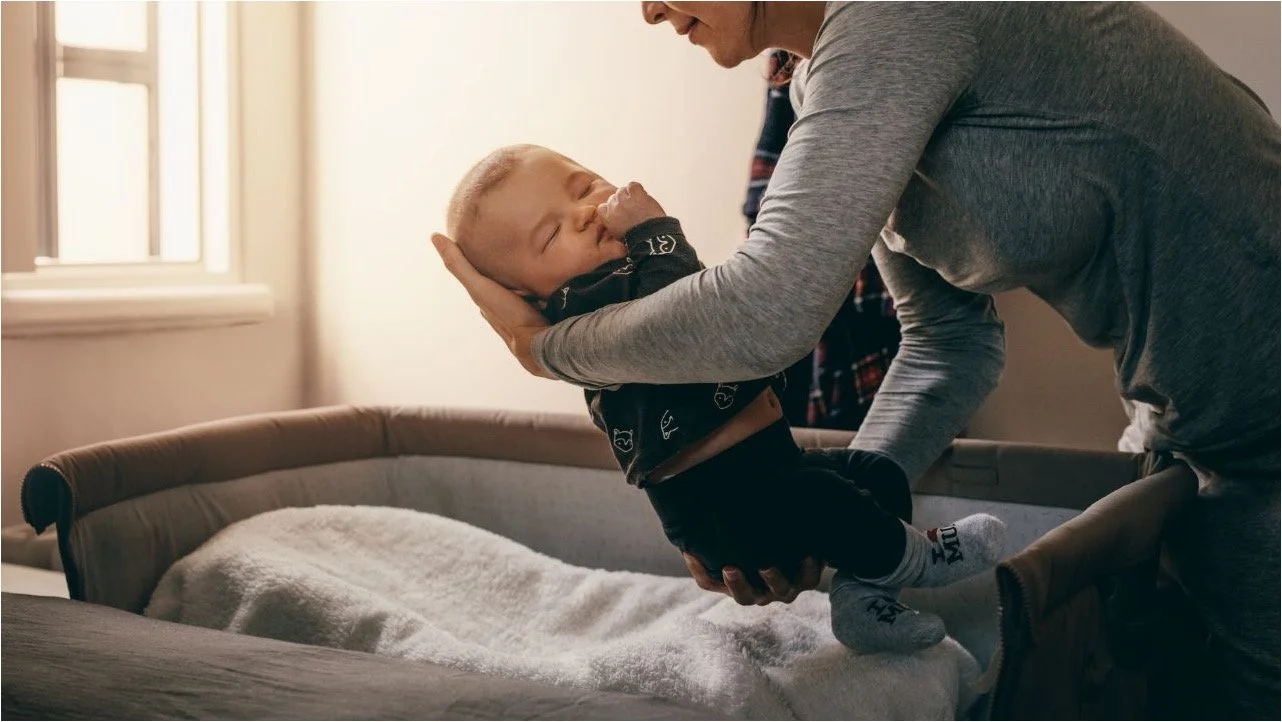
If you've started researching sleep training, you've probably come across the Ferber method about fifty times. Maybe you've also seen it described as controversial, or heard someone swear by it, or had a friend tell you it was the only thing that saved her sanity. It can be hard to know what to actually make of it, especially when you're running on broken sleep and just want a clear answer.
This post is going to walk you through what the Ferber method is, how it works in practice, and what some of the gentler alternatives look like. There's no agenda here. Every family is different, every baby is different, and the goal is just to give you enough information to make a decision that feels right for you.
So What Is the Ferber Method?
The Ferber method was developed by Dr. Richard Ferber, a pediatric sleep researcher who published his approach in the 1980s. It's technically called "graduated extinction," which sounds clinical, but the idea is pretty straightforward.
You put your baby down drowsy but awake, leave the room, and then return to check on them at progressively longer intervals if they're crying. So on night one you might go back in after three minutes, then five minutes, then ten. On night two the intervals get a little longer. By night three or four, most babies who are developmentally ready for sleep training have started connecting their own sleep cycles and waking less frequently.
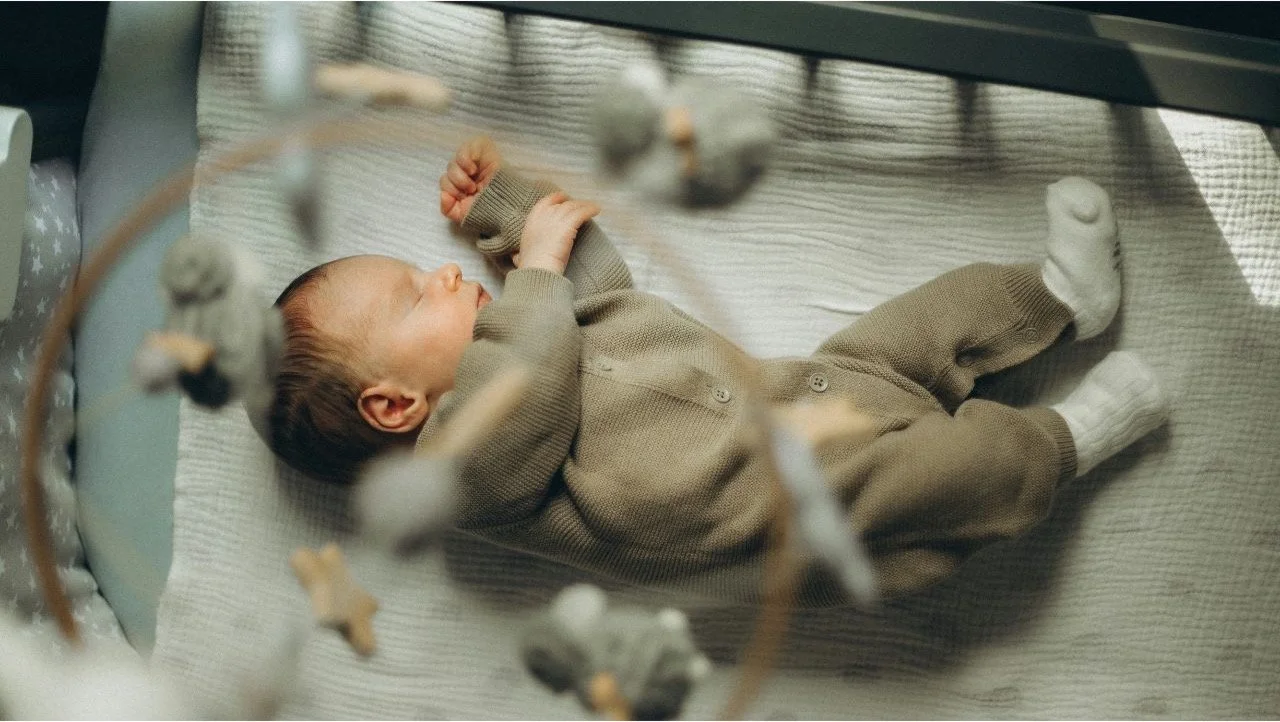
When you go in for a check-in, the idea is to offer brief verbal reassurance — letting your baby know you're there — without picking them up or doing anything that would restart the falling-asleep process. The check-ins are meant to reassure you as much as your baby, honestly.
What Ferber is not: it's not leaving your baby to cry indefinitely with no response. That's extinction, sometimes called "pure cry-it-out," which is a different approach entirely. The two often get conflated, but they're meaningfully different in practice.
The Ferber method tends to work relatively quickly — most families see significant improvement within three to seven nights — and it has a substantial body of research behind it. It's not a fit for every family, but for babies who are developmentally ready (generally four to six months and older, when their sleep cycles have matured enough to allow for self-soothing), it's an evidence-based option.
What About Pure Extinction (Cry-It-Out)?
Since it often gets lumped in with Ferber, it's worth naming separately. Full extinction means placing your baby down for the night and not returning until morning, or until a designated feeding time. No check-ins.
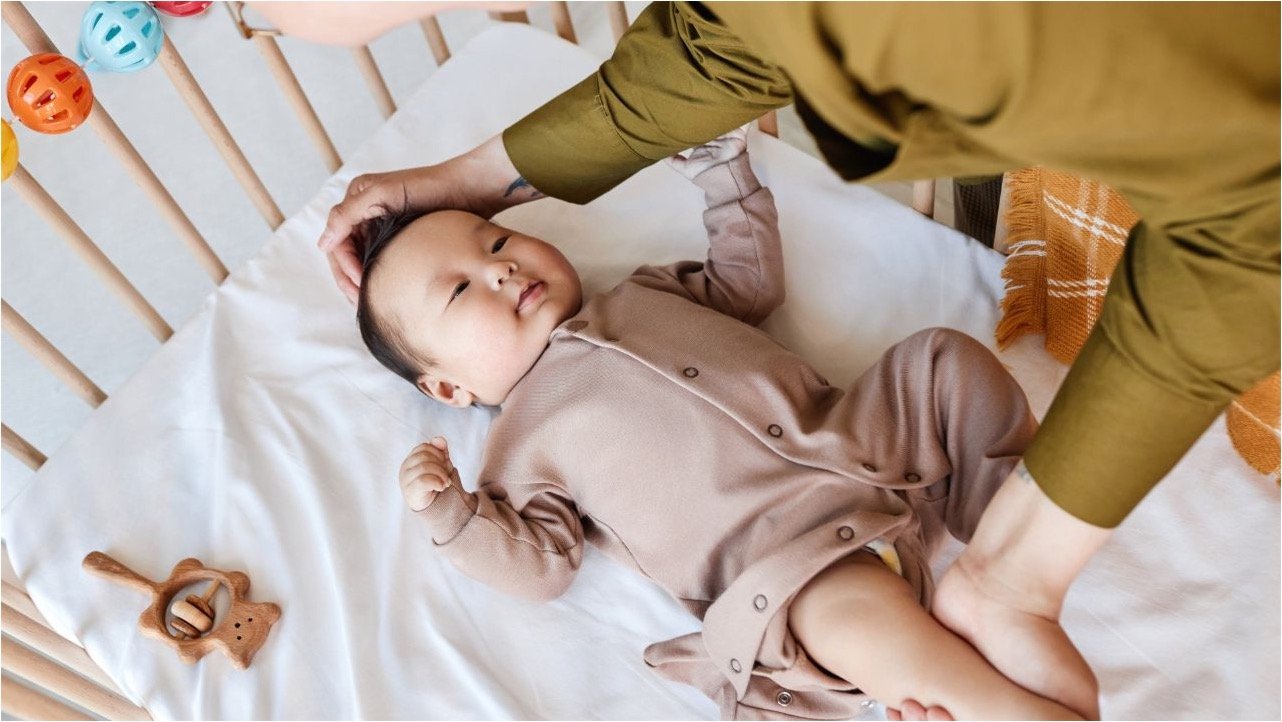
For some families, the check-ins in the Ferber method actually make things harder — the baby gets more upset when a parent appears and then leaves again. In those cases, extinction can actually result in less overall crying. It's a more intense approach for the parent, but it's also very well-studied and has not been shown to cause lasting harm to babies' attachment or development.
Gentler Alternatives Worth Knowing About
If the idea of any amount of sustained crying feels like too much right now, or if your baby's temperament makes you think a softer approach makes more sense, there are real options.
Fading (Bedtime Fading)
Bedtime fading works by temporarily shifting your baby's bedtime later to the point where they're genuinely, biologically tired — so tired that when you put them down, they fall asleep quickly with minimal protest. Once that pattern is solid, you gradually move the bedtime earlier. This method tends to involve less crying than graduated approaches because you're working with your baby's natural sleep pressure rather than against it.
The Chair Method (Sleep Lady Shuffle)
With this approach, you sit in a chair next to your baby's crib while they fall asleep, offering your presence without picking them up. Every few nights, you move the chair a little farther from the crib until you're eventually out of the room entirely. It takes longer than Ferber — often two to three weeks — and requires a lot of consistency, but for families who want to be physically present throughout the process, it can feel more manageable.
Pick Up/Put Down
This method is most effective for younger babies, typically under six months. When your baby cries, you pick them up until they calm, then put them back down. The idea is to keep offering reassurance while still giving them the opportunity to fall asleep in their crib. It can be exhausting because it sometimes involves a lot of pick-up-put-down cycles in a single night, and it doesn't always work as efficiently as other methods, but it's a very hands-on, responsive option.
Camping Out
Similar to the chair method, camping out involves staying close to your baby as they fall asleep, then slowly reducing your presence over time. Some parents lie on the floor next to the crib. Others sit in the doorway. The gradual nature of it tends to feel gentler, though it does require patience and can take a few weeks to see results.
A Note on Timing
None of these methods are appropriate for newborns. In the early weeks and months, your baby's job is to eat frequently, and your job is to respond to them. Feeding on demand, contact naps, rocking, nursing or bottle-feeding to sleep — all of that is completely appropriate and developmentally normal in the newborn stage.
Most sleep training research focuses on babies four months and older, when sleep architecture has matured enough for self-soothing to be realistic. If you have a younger baby and you're feeling the weight of the newborn sleep fog, there are still things you can do to support better sleep — working with wake windows, watching for tired cues, building in some predictability to your day — without formal sleep training.
If you have a baby between 8 and 12 weeks and you want a clear framework for navigating those early weeks in a way that sets the stage for better sleep later, my Newborn Sleep Foundations guide walks you through exactly that. It covers feeding and sleep rhythms, what to expect developmentally, and how to start building habits that will actually serve you as your baby grows.
Have a newborn and already thinking about sleep?
Kim's Newborn Sleep Foundations guide covers everything you need to know about building healthy sleep habits in the 8-12 week window — so you're set up for success when it's time to sleep train. No guesswork, just a clear, practical roadmap written by a NICU nurse and certified sleep trainer.
Get the Newborn Sleep Foundations Guide →How to Actually Choose
Here's the honest answer: the best method is the one you'll implement consistently.
Sleep training of any kind requires follow-through. Inconsistency — going in after longer than you planned, picking up when you said you wouldn't, abandoning the method after one hard night and restarting a week later — tends to result in more crying overall, not less, because your baby never quite learns what to expect.

So when you're choosing an approach, think about what you can actually sustain for a week or two. If the idea of listening to your baby cry while you wait out a check-in interval feels genuinely unbearable to you, a presence-based method like the chair method might help you stay the course. If you know that drawing out the process will wear you down faster than a few harder nights up front, Ferber or extinction might actually be the kinder choice for your whole family.
Also worth considering: your baby's temperament. Some babies are more sensitive to parental presence and actually escalate more when a parent comes in for check-ins. Others are soothed by any interaction and do better with the Ferber approach. You know your baby. Trust that.
What These Methods Have in Common
Despite the differences, all of the approaches above share a core goal: helping your baby learn to fall asleep independently so that when they surface between sleep cycles in the night — which all humans do — they can go back to sleep without needing you to restart the whole process.
That skill is what produces longer stretches of overnight sleep. It's not magic and it's not complicated in theory, even when it's hard in practice.
There's no version of sleep training that involves no adjustment period. Babies are used to whatever has been helping them fall asleep — nursing, rocking, being held — and shifting that takes some time regardless of the method. What varies is how long that adjustment takes and how much crying is involved along the way.
Final Thoughts
Whether you decide to try Ferber, start with something gentler, or hold off on sleep training entirely for now, you're not making a permanent, irreversible decision. You can always try one approach and switch if it isn't working. You can sleep train and then handle a regression with extra support. You can decide this isn't the right time and revisit it in a few weeks.
What you don't have to do is pick a camp and defend it. Sleep training is a tool. Whether and how you use it depends on your baby, your family, and your own capacity — and all of those things are allowed to factor in.
If you want support figuring out which approach makes sense for your specific situation, or you want a personalized plan rather than a method you're trying to adapt on your own, my Newborn Sleep Foundations guide is a great place to start for families in those early weeks. And my Sleep Foundations Coaching is perfect for support after the newborn stage.