10 Major Changes Your Body Goes Through After Giving Birth
What nobody tells you about the fourth trimester and why it all makes sense.
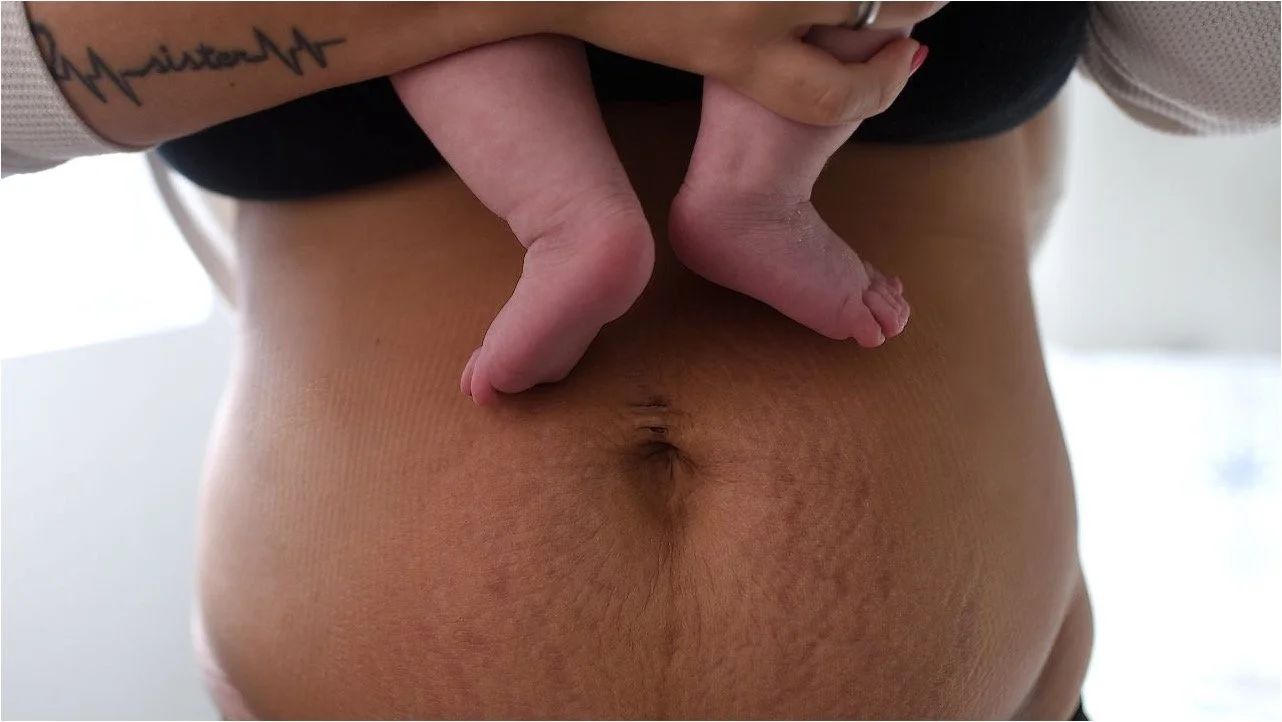
You spent months preparing for labor. You read the books, watched the videos, maybe took the class. And then your baby arrived, and somewhere in the blur of those first days, you looked in the mirror or tried to walk to the bathroom and thought: wait, what is happening to my body?
Here's the thing — postpartum physical recovery is one of the most significant things the human body goes through, and it tends to get very little airtime compared to the pregnancy itself. So let's talk about it. Not in a scary way, and not to alarm you, but because knowing what to expect makes a real difference in how you experience it.
These ten changes are completely normal. Some are temporary. Some take longer than you'd hope. All of them are worth understanding.
1. Your Uterus Contracts Back Down
Your uterus spent nine months growing from roughly the size of a pear to the size of a watermelon. After delivery, it starts the process of shrinking back, which is called involution. In the days right after birth, you'll feel this as afterpains, cramping that often gets more intense when you're breastfeeding because oxytocin (the hormone triggered by nursing) also causes uterine contractions. This is your body doing exactly what it's supposed to do. By around six weeks postpartum, your uterus has typically returned to close to its pre-pregnancy size.
2. Postpartum Bleeding (Lochia)
Most people know about postpartum bleeding in a vague sense, but the reality catches many new moms off guard. Lochia — the discharge your body sheds after birth — can last anywhere from four to six weeks. It starts heavy and red, then gradually transitions to pink or brown, and finally to a yellowish-white discharge before stopping altogether. If you suddenly go back to bright red bleeding after it had started to lighten, that's your body's signal to slow down. You're probably doing too much.
3. Your Hormones Drop Off a Cliff
During pregnancy, your estrogen and progesterone levels are at historic highs. After delivery, they plummet. This hormonal crash is fast and dramatic, and it's one of the main reasons so many new moms experience the "baby blues" in the first week or two after birth — tearfulness, mood swings, anxiety, and feeling emotionally raw.
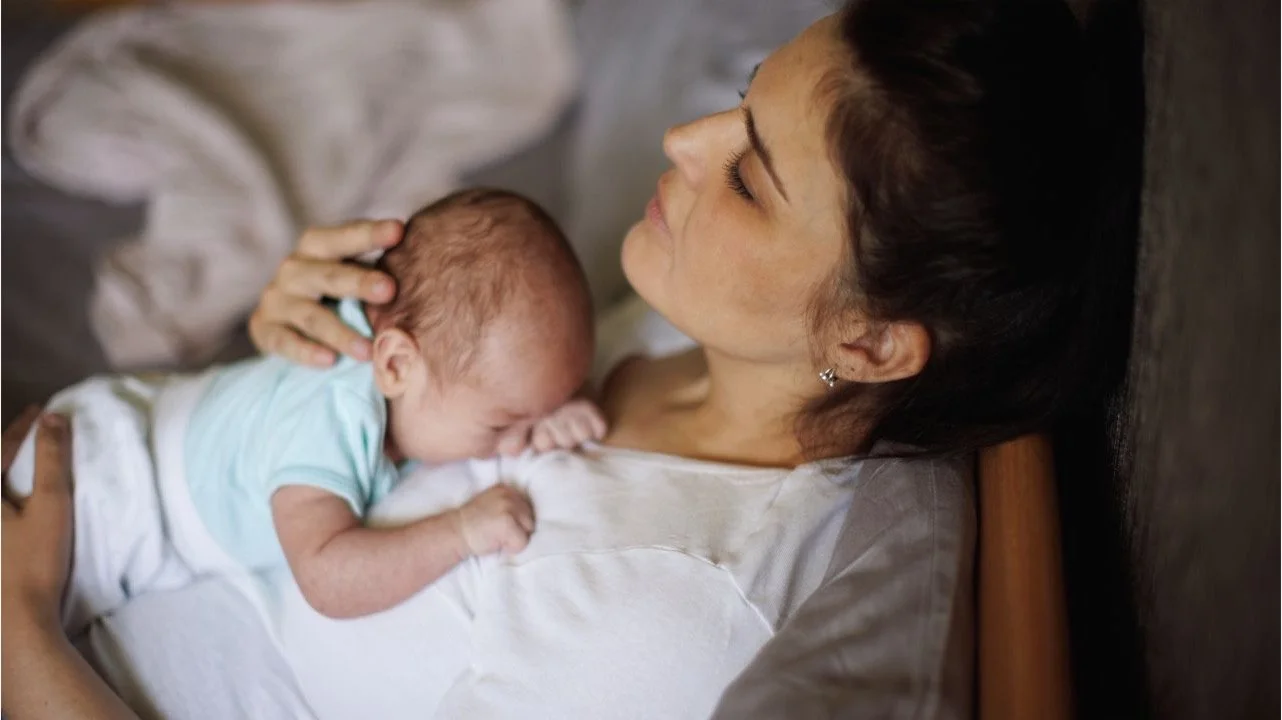
For most people, baby blues resolve on their own within two weeks as hormones begin to regulate. If those feelings persist or deepen, that's worth talking to your provider about, because postpartum depression and postpartum anxiety are both real and very treatable.
4. Your Breasts Go Through a Complete Transformation
Whether you choose to breastfeed or not, your breasts change significantly after birth. Around day two to five postpartum, your milk comes in, and for many women this comes with engorgement that feels uncomfortable, tight, and sometimes even flu-like.
If you're breastfeeding, your supply will regulate over the coming weeks. If you're not, you'll need to allow your milk to dry up, which can take one to two weeks and comes with its own temporary discomfort. Either way, your breasts will look and feel different from what you're used to for a while.
5. Night Sweats Are Real (and They're a Lot)
This one surprises almost everyone. In the early weeks postpartum, many women wake up drenched in sweat, sometimes multiple times a night. This happens because your body is shedding the extra fluid it retained during pregnancy, and hormonal shifts are driving your temperature regulation haywire.
It's uncomfortable and inconvenient, especially when you're already surviving on fragmented sleep. Keeping your room cool, sleeping in breathable fabrics, and having a change of clothes nearby can help. It typically resolves within the first few weeks.
Struggling with postpartum recovery and wondering if what you're experiencing is normal?
Kim's Ask Me Anything Calls are a 30-minute one-on-one session where you can ask her anything — postpartum recovery, feeding, newborn care, sleep, you name it. She's an RN, a certified lactation consultant, a postpartum doula, and a certified sleep trainer, which means you get real, experienced answers in one place.
Book an Ask Me Anything Call →6. Hair Loss
Somewhere around three to four months postpartum, you may notice your hair starting to shed — sometimes dramatically. This can feel alarming, especially when you find it all over your shower drain, your pillow, and your baby's tiny fingers. During pregnancy, elevated estrogen keeps hair in the growth phase longer, so you shed less.
After birth, that extra hair enters the shedding phase all at once. This is called telogen effluvium, and while it can be noticeable, it's temporary. Most women see significant regrowth by six to twelve months postpartum.
7. Pelvic Floor Changes
Your pelvic floor went through an enormous amount of strain during pregnancy and delivery. Whether you had a vaginal birth or a cesarean, your pelvic floor muscles are affected. Common experiences include leaking urine when you sneeze or cough, a feeling of heaviness or pressure in your pelvis, or reduced sensation during sex.
These symptoms are common, but common doesn't mean you just have to live with them forever. A pelvic floor physical therapist can be genuinely life-changing in the postpartum period, and it's worth asking your provider for a referral if those symptoms are bothering you.
8. C-Section Recovery (If Applicable)
If you had a cesarean, you're recovering from major abdominal surgery while simultaneously caring for a newborn. That deserves a moment of recognition.
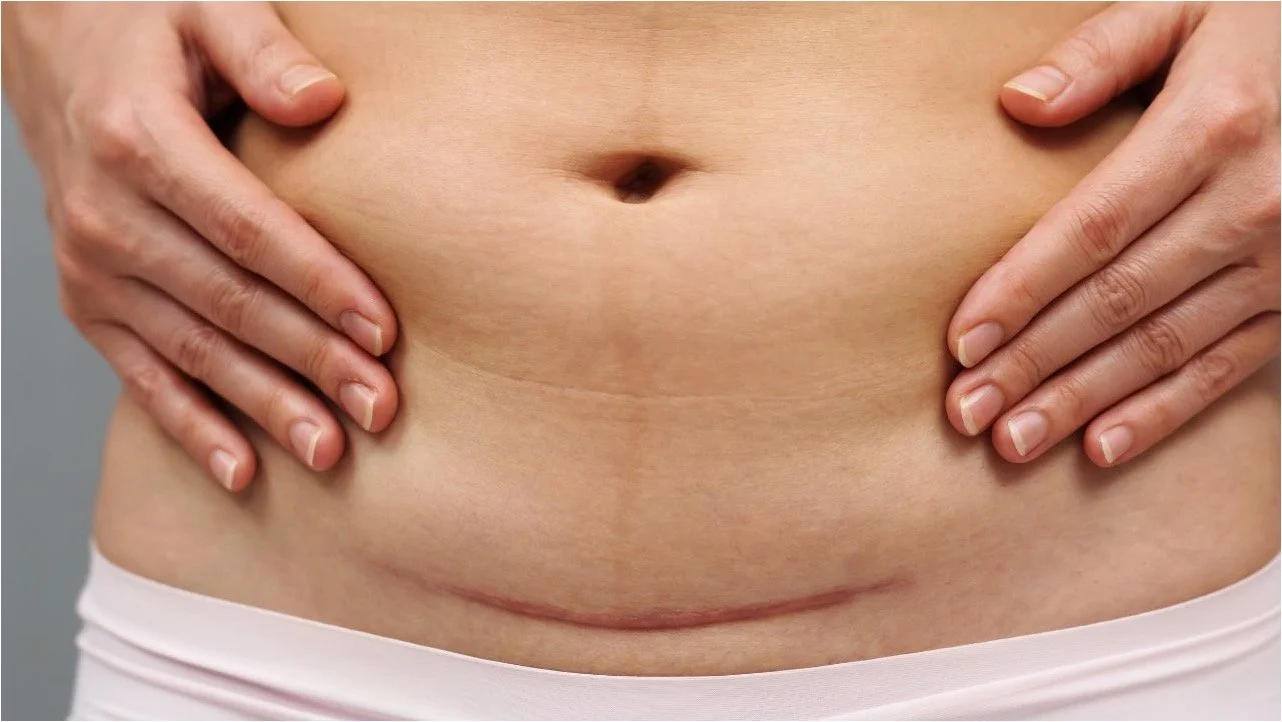
The initial healing of the incision takes a few weeks, but full internal healing of the layers of tissue takes closer to six to eight weeks, and some women notice sensitivity or numbness near the scar for months beyond that. Avoiding lifting anything heavier than your baby, protecting the incision from friction, and keeping follow-up appointments are all important pieces of that recovery.
9. Your Body Looks and Feels Different
The belly doesn't just snap back, and that's completely normal. The stretched skin, the linea nigra (that darker vertical line that may have appeared during pregnancy), and the softness around your midsection are all part of what your body went through. Some women also notice diastasis recti, a separation of the abdominal muscles, which can cause a visible gap or "pooch" that doesn't close with standard core exercises. A physical therapist can assess for this and give you appropriate guidance on rebuilding core strength safely.
This is also around the time when postpartum exhaustion starts to compound. Broken sleep, physical recovery, hormonal shifts, and the demands of newborn care all hit at once. If you're in this season and feeling completely overwhelmed, that's not weakness — that's just a lot at one time.
10. Emotional and Identity Shifts
Postpartum physical recovery and emotional recovery are happening at the same time, and they're not separate things. The physical exhaustion affects your mood. The hormonal shifts affect your perception. The identity shift of becoming a mother — or adding another child to your family — is real and significant, even if it's hard to put into words. Many women describe feeling like they don't quite recognize themselves in the mirror or in their own life for a while after birth. This isn't a warning sign. It's part of the fourth trimester, which is a genuine transition that takes time.
Matrescence — the psychological and identity transformation of becoming a mother — is as real and profound as adolescence. It just doesn't get nearly as much cultural acknowledgment.
A Few Things Worth Knowing
Postpartum recovery is not linear. Some days you'll feel like you're turning a corner, and then you'll overdo it and feel set back. That's normal. Rest is a genuine medical need in the early weeks, not a luxury. Feeding yourself, staying hydrated, accepting help, and lowering the bar for what counts as a productive day are all legitimate parts of recovery.
The six-week postpartum appointment is often treated as the finish line, but for most women, full recovery takes much longer. Listen to your body, advocate for yourself at appointments, and don't hesitate to bring things up with your provider even if they feel too small or too embarrassing.
You went through something enormous. Your body is doing the work of recovering, often while running on very little sleep. Give yourself the grace you'd give a friend going through the same thing.
If you're navigating questions about postpartum recovery alongside the newborn learning curve, Kim's Ask Me Anything Calls are there for exactly that — a dedicated 30 minutes to get real answers from someone who has walked alongside families through all of it. You don't have to piece it together alone.