How to Thrive (Not Just Survive) the 4th Trimester
You spent months preparing for labor. You took the class, packed the bag, researched the stroller until your eyes glazed over. And then your baby arrived, and nobody quite warned you about what comes next!

The fourth trimester is the roughly twelve weeks after birth, and it is one of the most physically and emotionally demanding seasons of a person's life. Your baby is adjusting to life outside the womb. You are recovering from one of the most intense physical events a human body can go through, learning to feed another human, functioning on fragmented sleep, and fielding a steady stream of opinions from everyone around you. The word "survival" gets thrown around a lot in this season, and honestly, it makes sense. Some days just making it to bedtime is a genuine accomplishment.
But surviving and thriving are not the same thing, and you deserve more than white-knuckling your way through the first three months. This post is about what actually helps you move from one to the other.
What Your Body Is Going Through
The physical recovery from birth, whether vaginal or cesarean, takes longer than most people expect. In the first few weeks, your uterus is contracting back to its pre-pregnancy size, your hormone levels are dropping dramatically, your milk is coming in (or you're navigating the decision not to breastfeed), and your body is essentially rebuilding itself from the inside out. For cesarean parents, you are also recovering from major abdominal surgery while caring for a newborn around the clock. That is not nothing.
Rest is not a luxury in this season; it is a clinical necessity. When your body does not get adequate rest, wound healing slows, mood dysregulation increases, and your immune system takes a hit. None of that helps you show up for your baby. So before anything else: protect your rest as if it matters, because it genuinely does.
The Emotional Reality Nobody Talks About Enough
Baby blues, the weepiness, irritability, and emotional swings that show up in the first two weeks postpartum, are extremely common and are driven by the hormonal shifts happening in your body after delivery. They typically resolve on their own.
Postpartum depression and postpartum anxiety are different. They can appear anytime in the first year, they do not always look like sadness, and they are not a sign of weakness or failure.
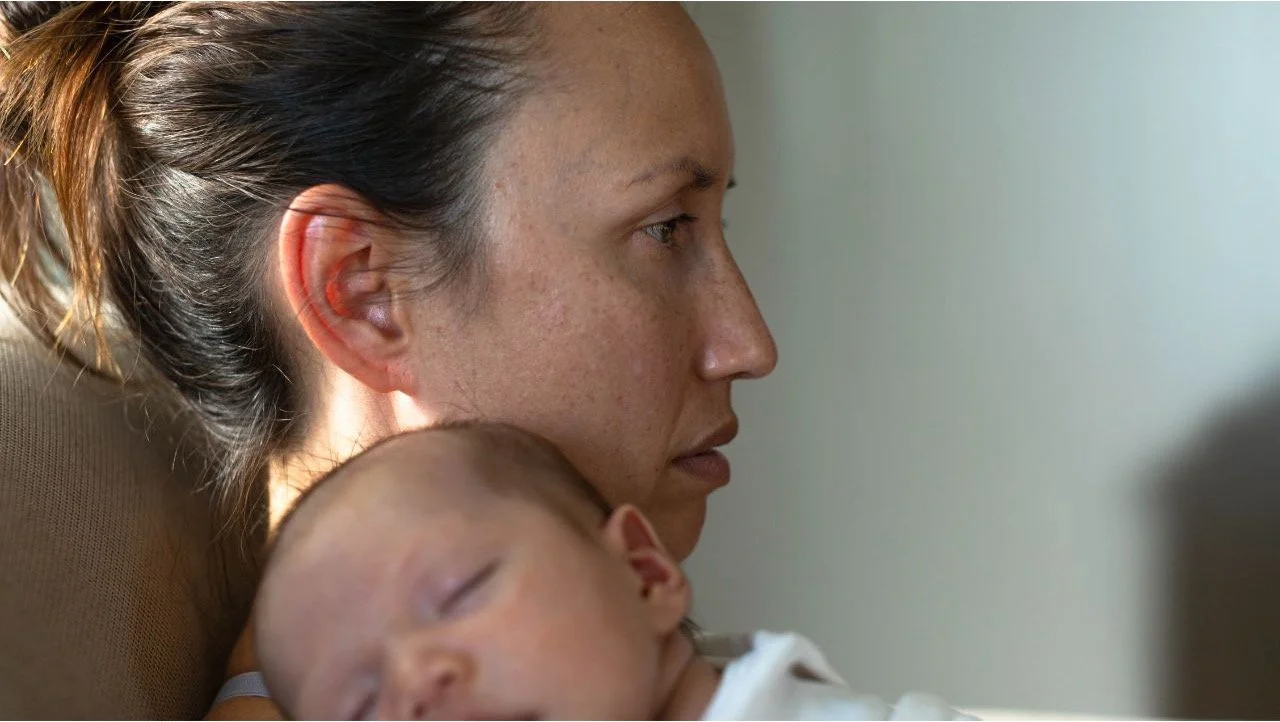
Postpartum anxiety in particular often gets missed because a new parent being worried about their baby can read as completely normal. Trust yourself if something feels off. Screening tools exist, your OB or midwife can help, and effective treatment is available.
One of the least-discussed dimensions of the fourth trimester is the identity shift that happens alongside the physical recovery. Especially with a first baby, becoming a parent reshapes how you see yourself, your relationship, your time, and your priorities. That can be profound and beautiful and also deeply disorienting, sometimes within the same hour. Giving yourself space to feel all of it without rushing toward some imagined version of what you're supposed to feel is genuinely part of the work.
Sleep: Setting Realistic Expectations
Newborns sleep somewhere between fourteen and seventeen hours a day, but that sleep comes in fragmented chunks with feeds every two to three hours. That means you are not getting a four-hour stretch anytime soon without intentional support structures in place. Telling parents to "sleep when the baby sleeps" is well-intentioned and also genuinely hard to execute when you're too wired to sleep, too anxious to let yourself, or just desperate for twenty minutes of quiet that aren't spent unconscious.
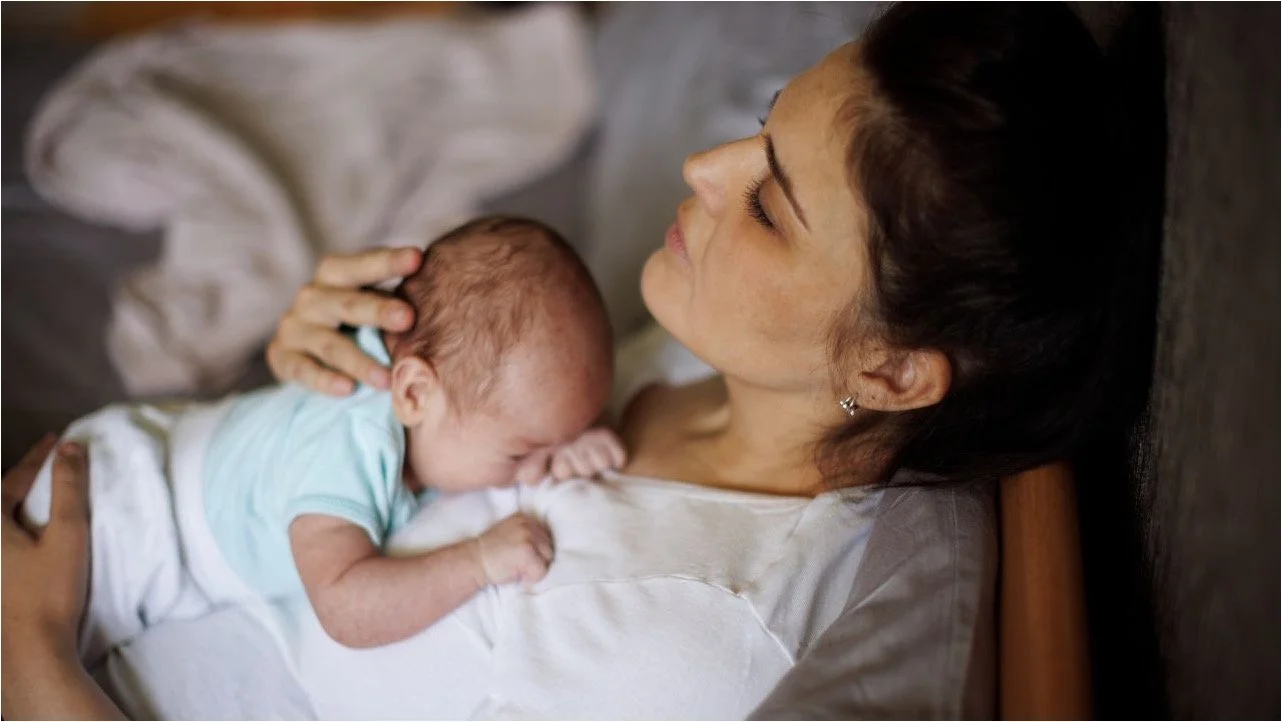
A few things that actually help: be willing to split nights with a partner if you have one, so each of you is getting at least one longer stretch. Accept help when it's offered and be specific when you ask for it. "Can you take the baby from six to nine so I can sleep?" lands better than a general "we're struggling." If you are formula feeding or have pumped milk available, a designated overnight helper makes an enormous difference.
And lower the bar for what your days look like. A clean house and a hot meal and a shower are all great, but none of them are required for you to be a good parent. Choosing sleep over the dishes is not laziness.
Navigating the fourth trimester and want real, personalized support?
Kim's Virtual Postpartum Doula Support gives you two 30-minute one-on-one sessions plus email support between sessions, so you have a real expert in your corner for whatever comes up, whether that's sleep, feeding, postpartum recovery, or just figuring out how to feel like yourself again.
Learn More About Virtual SupportFeeding Your Baby (and Yourself)
Whether you are breastfeeding, formula feeding, or doing some combination, feeding a newborn is a full-time job in the fourth trimester. Breastfeeding in particular has a steep learning curve, and the early weeks can involve latch challenges, engorgement, nipple pain, and the constant mental math of whether your baby is getting enough. Lactation consultants exist for exactly this reason, and reaching out early is not a sign that something has gone wrong. It is a sign that you are paying attention.

What often gets overlooked in the conversation about feeding your baby is feeding yourself. You are running a significant calorie deficit if you're breastfeeding, and even if you're not, healing from birth requires nutrition. Easy, nourishing food matters. If people ask what they can do to help, a meal is one of the most useful answers. A stocked freezer or a meal train in the weeks before your due date is genuinely worth organizing if you have the bandwidth to do it.
Building a Support System That Actually Works
The village that previous generations talked about was not metaphorical. It was a real structure of extended family and community that showed up physically in the postpartum period. Most parents today are navigating this without that structure, which is why it's worth being deliberate about assembling your own version of it.
Your support system does not need to be large, but it does need to be real. One or two people you can call when things feel hard. A postpartum care provider who can give you evidence-based guidance without judgment. A pediatrician you trust. If you're in a relationship, a partner who is genuinely sharing the load, which takes ongoing conversation, not assumption.
Postpartum doulas specifically exist to support this season, and that support goes well beyond holding the baby while you shower. A good postpartum doula helps you learn to read your newborn's cues, navigate feeding challenges, process the emotional adjustment, and actually recover, not just push through.
Managing Expectations, Especially About the Timeline
The idea that you should "bounce back" after having a baby is one of the more unhelpful cultural messages floating around. Your body grew an entire human being and then delivered that human being, and then your whole life rearranged itself around that person. There is no bouncing back. There is moving forward, in whatever way works for your body, your family, and your actual life.

The fourth trimester ends around twelve weeks, but that does not mean everything clicks into place on week thirteen. Sleep often starts to consolidate more meaningfully around three to four months, and many parents describe feeling like they find their footing somewhere in that range. But every baby is different, every family is different, and comparing your experience to someone else's highlight reel on social media will not help you.
What does help is focusing on what's working, asking for what you need, letting go of what you cannot control, and giving yourself genuine credit for getting through each day. Because getting through each day in the fourth trimester, even when it feels impossibly hard, is genuinely impressive.
You Do Not Have to Figure This Out Alone
The fourth trimester is temporary, but it is also real. The hard parts are real. The beauty and the love and the wild attachment you feel to this tiny person are also real. All of it gets to coexist.
If you want expert support through this season from someone who has been in the NICU and the postpartum room and knows both the clinical and the human side of this, my Virtual Postpartum Doula Support is available to you wherever you are. Two sessions, email support, and a real expert in your corner who has seen it all and will meet you exactly where you are. You can learn more and book your sessions here.
You are doing harder work than you give yourself credit for. And you deserve real support, not just survival.