Is Cry-It-Out Actually Bad for Your Baby?
What the research actually says, and why the answer might surprise you
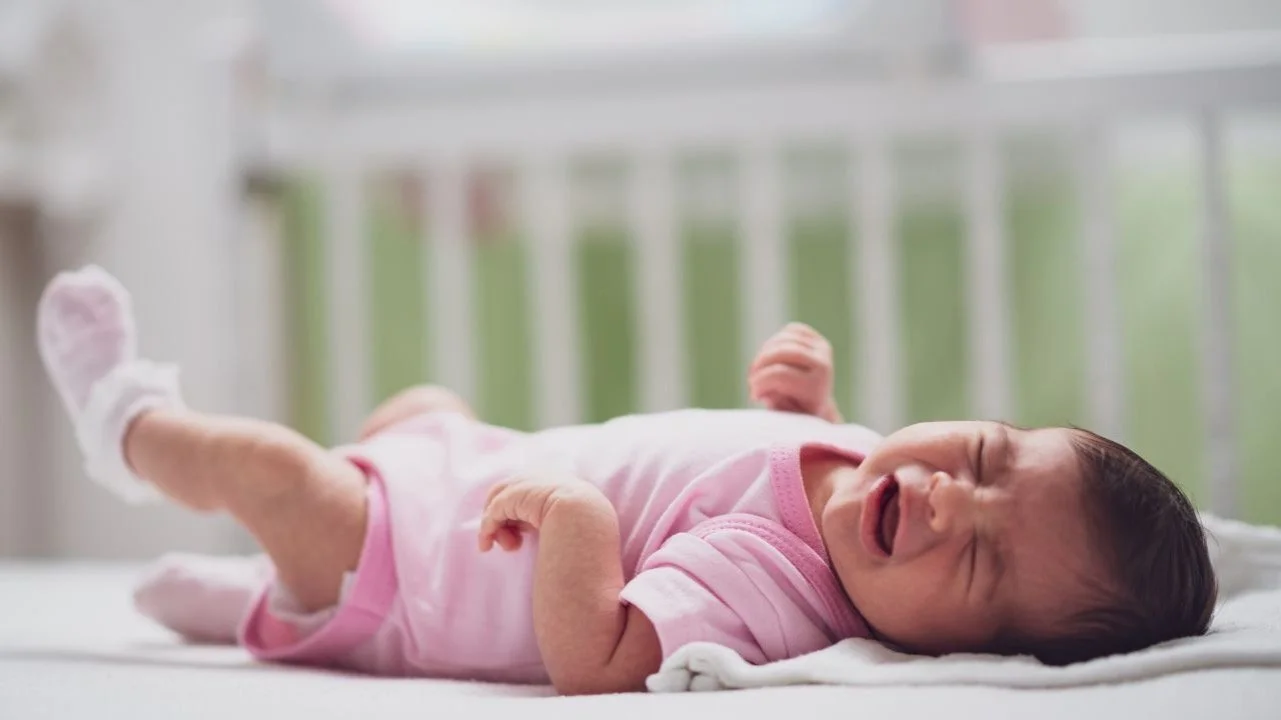
If you've spent any time in new parent spaces online, you've probably seen the debate. Someone mentions sleep training and within minutes there are passionate responses on every side.
Cry-it-out (CIO) in particular tends to make people feel deeply invested, and the fear behind the anti-CIO arguments is real: nobody wants to think they are causing harm to their baby.
So let's talk about what the research actually says, because the picture it paints is more reassuring than the internet might lead you to believe.
What Is Cry-It-Out, Exactly?
The term gets used loosely. In its strictest form, CIO means a baby is placed in the crib drowsy but awake and parents do not intervene until morning.
In everyday conversation, though, people often use it to describe graduated extinction (the Ferber method), where parents check in at gradually increasing intervals. Most of the research on CIO encompasses the broader category of behavioral sleep training, including both approaches.
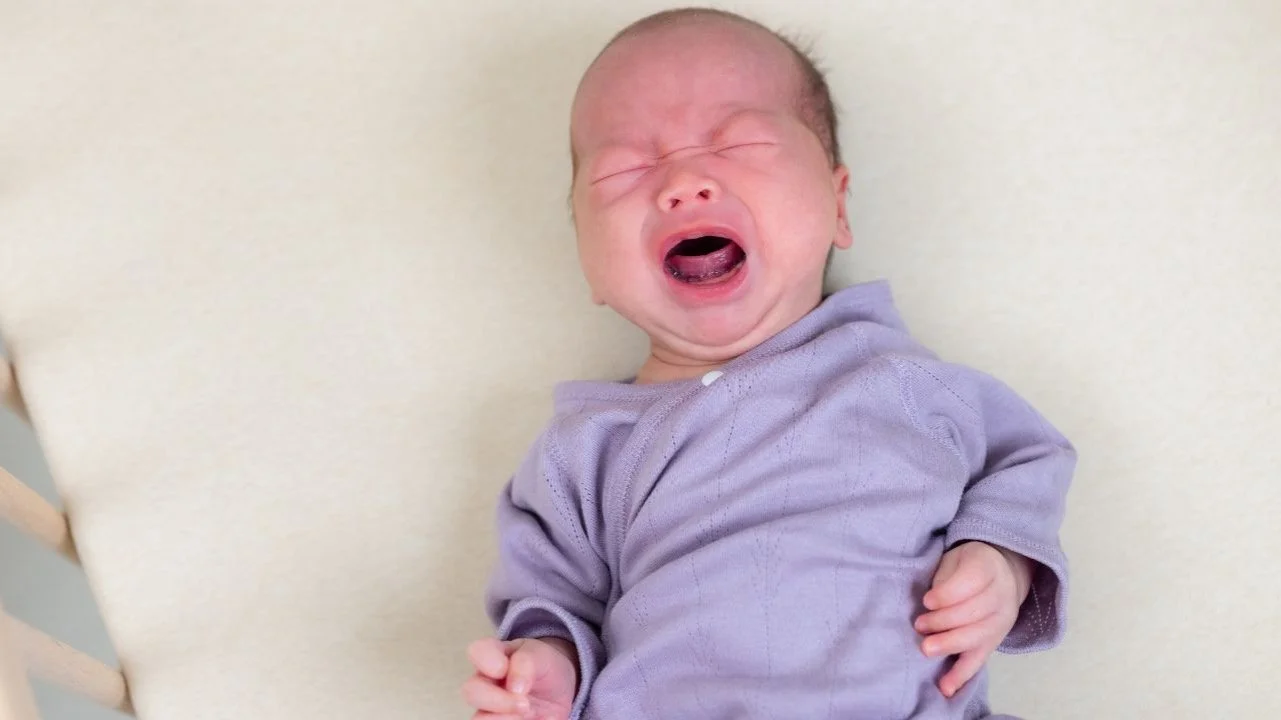
The concern parents most often bring to me: if my baby is crying and I don't respond, am I damaging our bond? Could the stress hormones released during crying cause lasting harm?
These are completely reasonable things to wonder about. And the answer, based on the available evidence, is no.
What the Research Actually Shows
A landmark study published in the journal Pediatrics followed 43 infants in three groups: graduated extinction, bedtime fading (a gentler approach that works with the baby's natural sleepiness), or no intervention. Researchers measured cortisol as a stress marker and found that babies in the sleep training groups showed slightly lower cortisol levels than the control group. One year later, there was no difference in emotional or behavioral health between any of the groups, and parent-child attachment was the same across the board.
A five-year follow-up of behavioral sleep training research concluded that these techniques have no lasting harmful effects on children's development, stress levels, or attachment. A separate large Australian study of over 300 families found that mothers who sleep trained had less severe postpartum depression symptoms at 10 months, 12 months, and two years, and their children had fewer sleep difficulties over the same period.
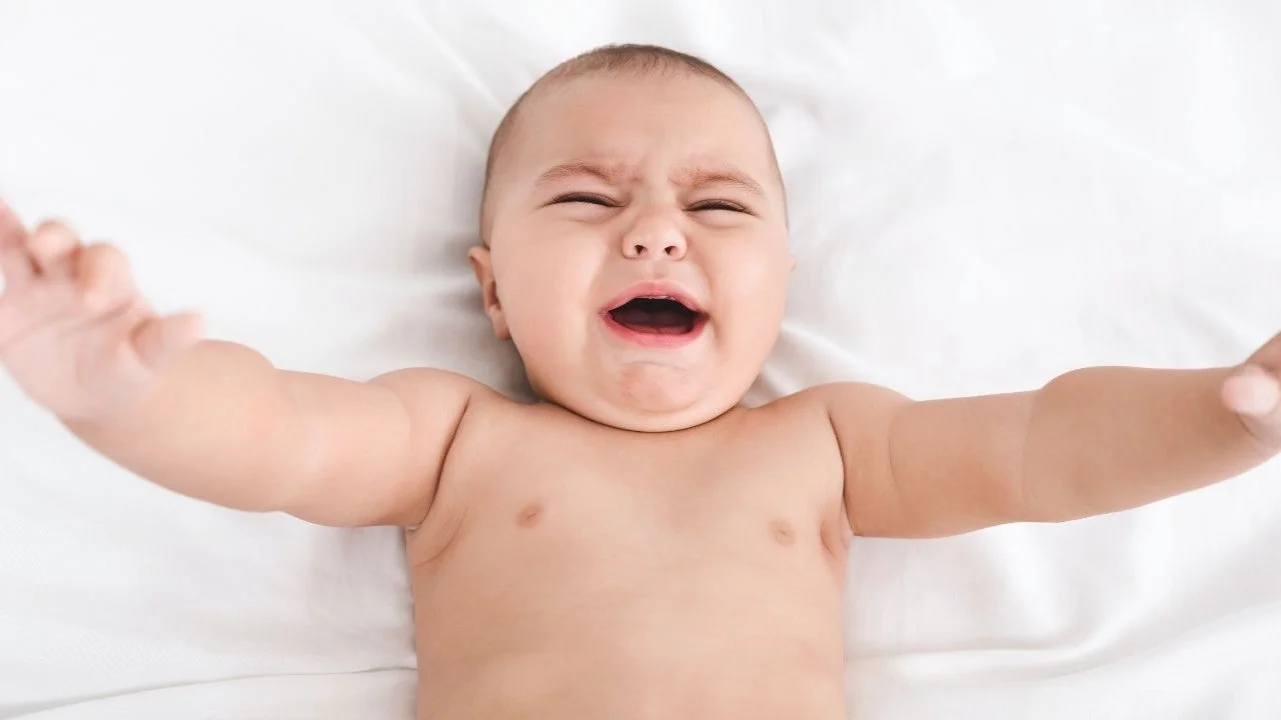
It's also worth addressing the cortisol argument directly, because it comes up a lot. Critics sometimes cite a 2012 New Zealand study showing that even after babies stopped crying at bedtime, their cortisol levels remained elevated, as evidence of hidden stress. What often gets left out: the study had only 25 infants, sleep training was done by nurses in a hospital setting rather than parents at home, and there was no long-term follow-up. The broader body of research does not support the conclusion that short-term cortisol changes from sleep training cause lasting harm.
A Fair Point About the Research
Some researchers have raised legitimate methodological concerns about existing studies, including small sample sizes and variability in how attachment is measured. These are fair points. What critics have not been able to show, however, is evidence of actual harm. Most anti-CIO arguments rest on theoretical frameworks rather than documented outcomes. The claim that crying signals stress is true. The claim that a few nights of sleep training stress causes lasting damage is speculative, and the long-term data we do have doesn't support it.
Parental Sleep Matters Too
Chronic sleep deprivation is associated with impaired judgment, emotional dysregulation, and a meaningfully increased risk of postpartum depression.
When a parent's depression goes unaddressed, babies tend to sleep worse as well, which creates a cycle that's hard to break.
This isn't a reason to push any parent into a method they're uncomfortable with. It is a reason to take family sleep seriously and to resist the idea that any evidence-based approach to improving it is inherently harmful.
What This Means for Your Family
The research does not support the idea that cry-it-out causes lasting harm. Multiple well-designed studies with long-term follow-up have found no evidence of damage to attachment, emotional development, or stress regulation in children who were sleep trained.
That said, CIO is one tool among several, and whether it fits depends on your baby's temperament, your own comfort level, and what you're hoping to achieve. A gentler graduated approach works well for plenty of families. Others find that a more direct method is what finally gets everyone sleeping.
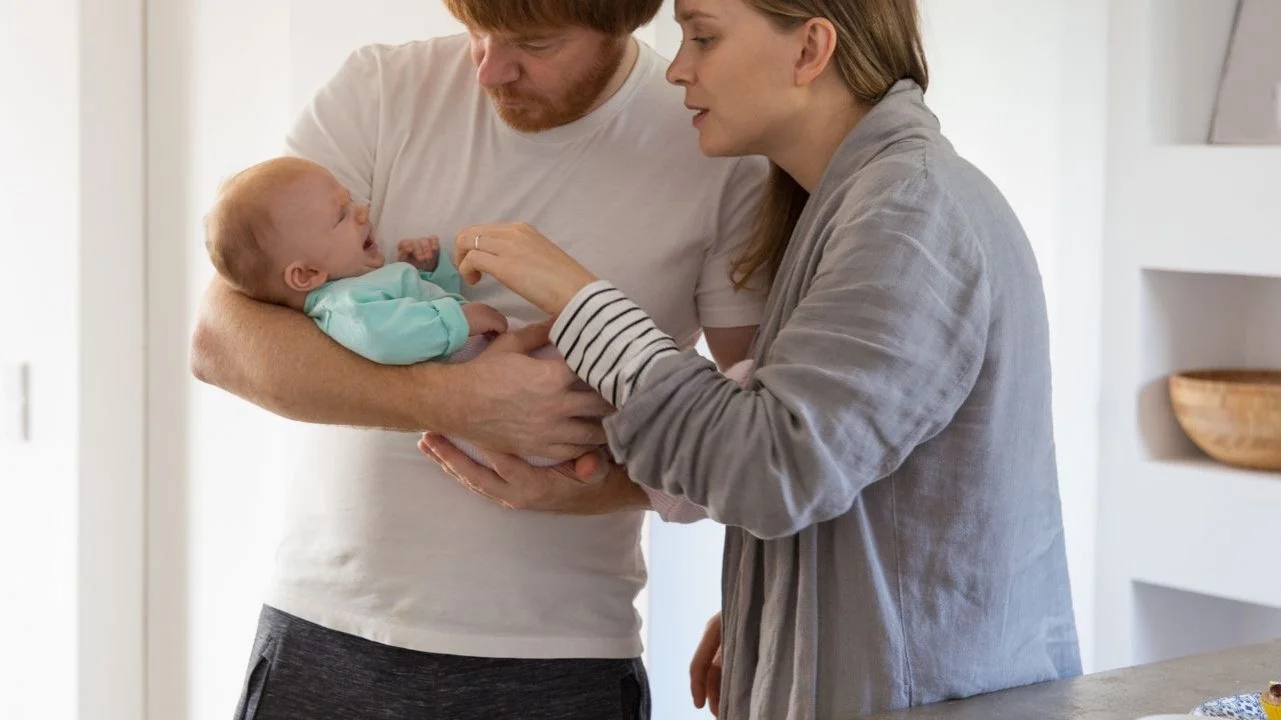
What you don't need to carry into this decision is fear. The science says choosing sleep training doesn't mean you're damaging your child. Attachment is built through the full pattern of responsive, warm caregiving across your child's life, not undone by a few nights of learning to sleep independently.
One timing note:
Most sleep training research focuses on babies at least four to six months old. Newborns have different needs entirely, so nothing here applies to the early weeks when feeding on demand is exactly the right call.
If you're ready to stop guessing and start sleeping, my Sleep Foundations program was built for families exactly like yours.
You'll get a fully personalized sleep plan, a one-on-one consultation, and two weeks of text support while you implement it. The program works with any approach, cry-it-out, graduated methods, or something gentler, because the goal isn't to fit your family into a method. It's to build a plan that actually works for you.
You deserve rest. And so does your baby.