How to Recover From a C-Section With a Toddler at Home
Recovering from a C-section is real surgery recovery, not a minor inconvenience you bounce back from while life continues as normal. Add a toddler at home and the recovery experience changes entirely. You are healing from abdominal surgery while caring for a newborn and a child who still needs you physically, emotionally, and constantly.

This phase is intense, but it can be manageable with the right expectations, systems, and support. The goal is not a perfect recovery or a calm household. The goal is steady healing, reduced stress, and getting through each day without pushing your body past what it can handle.
Start With the Right Expectations
A C-section recovery takes time. There is no shortcut around the physical reality of healing muscle, tissue, and nerves. When you also have a toddler, the temptation is to rush your recovery because someone still wants to be held, lifted, followed, and soothed.
Accept early on that your capacity will be lower than usual. You will not move as quickly. You will need more rest. Your toddler will experience changes in routine, availability, and attention. None of this means you are doing anything wrong.
Lowering expectations is not giving up. It is protecting your healing so you do not extend your recovery longer than necessary.
Create Physical Boundaries That Protect Your Incision
One of the hardest parts of C-section recovery with a toddler is managing physical contact. Toddlers are unpredictable. They climb, flop, lean, and jump without warning.
Set up boundaries immediately, even if it feels uncomfortable at first.

Sit with a firm pillow across your lap whenever your toddler is nearby. This acts as a physical buffer and gives you a sense of safety. Choose seating that allows you to get up slowly without using your core. Avoid low couches or floor seating that requires strain to stand.
Teach your toddler simple, consistent rules like “gentle hugs” or “sit next to mommy.” You do not need a long explanation. Toddlers understand repetition and tone more than logic.
If your toddler wants closeness, redirect it. Sitting next to you, holding hands, leaning against your shoulder, or reading together are safer options than lap sitting or climbing.
Adjust Lifting Expectations Early
Most providers recommend avoiding lifting anything heavier than your newborn for several weeks. Toddlers rarely cooperate with this plan.
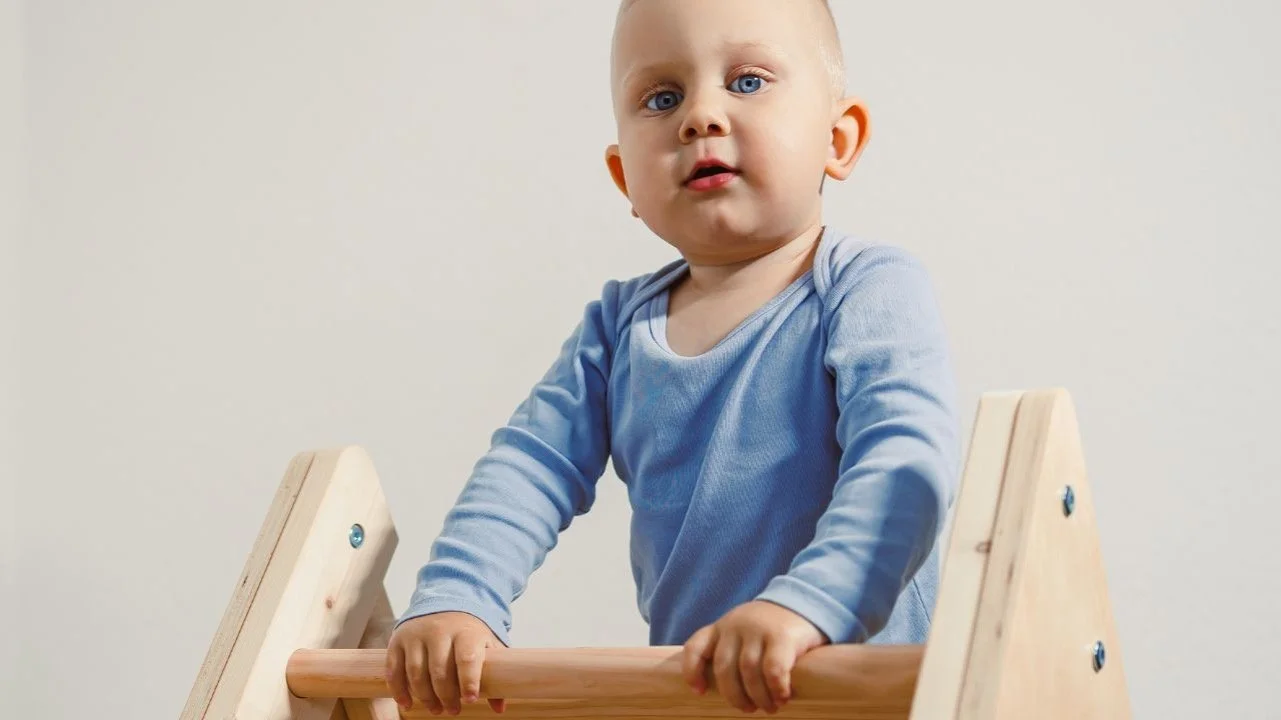
When possible, remove lifting from the equation altogether. Use step stools so your toddler can climb onto the couch, into bed, or onto a chair independently. Encourage climbing instead of carrying.
If you must lift your toddler, do it strategically. Bend at your knees, keep your core supported, and avoid twisting. Ask for help whenever possible. Even one extra lift per day adds strain your body does not need.
This is not the time to prove you can do it all. Every avoided lift supports faster healing.
Build a Toddler Setup That Minimizes Movement
The more your toddler can function independently, the less strain on your body.
Create toddler stations around your home. A snack drawer with safe options. A low shelf with favorite toys. A basket of books near where you rest. These setups reduce how often you need to get up or intervene.
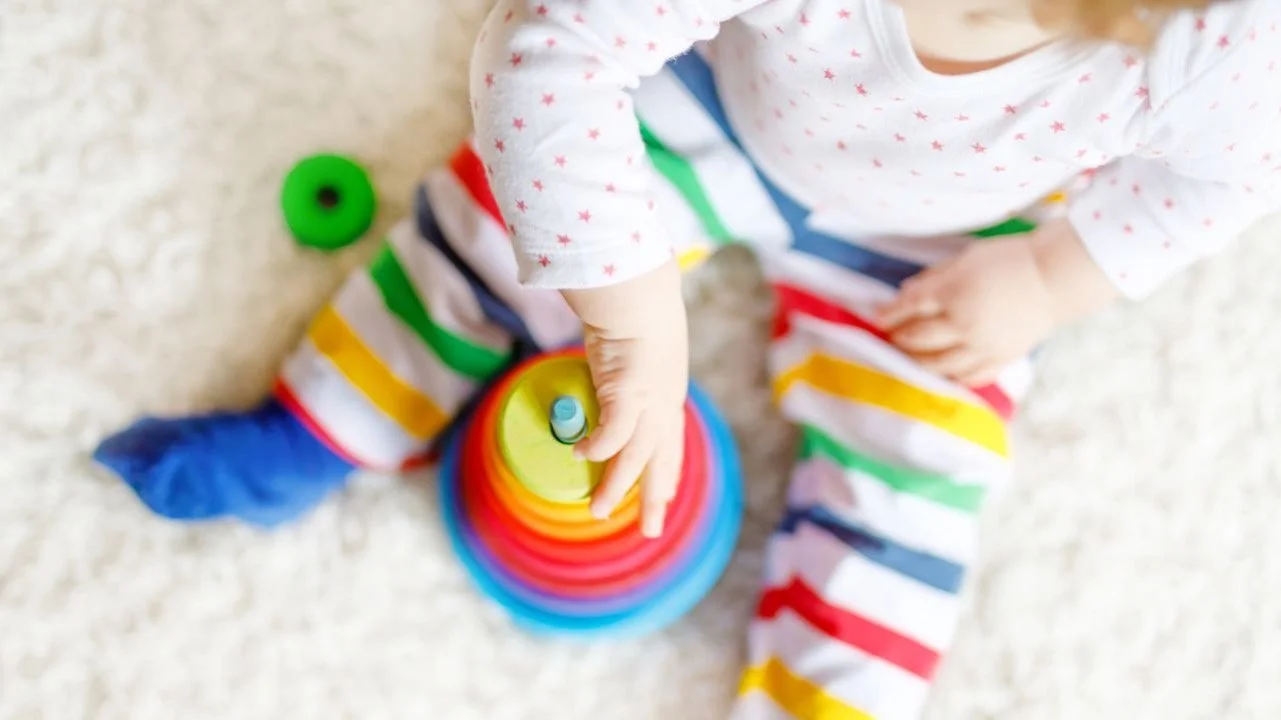
Prepare activities that require minimal involvement. Stickers, magnetic tiles, coloring books, puzzles, and simple sensory bins can buy you real rest time. Rotate them so they feel new.
Screen time rules may loosen during this phase. That does not undo your parenting. Recovery periods require flexibility.
Plan Your Days Around Recovery, Not Productivity
The structure of your day matters more than how much you accomplish.
Group tasks together so you are not constantly getting up and down. Feed the baby, eat a snack, and rest in the same window. Keep water, medications, and essentials within reach.
Choose one or two priorities per day. Everything else is optional. The house does not need to be tidy. Meals do not need to be elaborate. Your job is healing.
Rest is not passive during C-section recovery. It is active healing.
Accept Help Without Managing It
If help is available, take it. And take it without micromanaging.
This might look like someone taking your toddler out of the house so you can nap. It might look like someone folding laundry incorrectly. It might look like meals that are not what you would normally choose.
Letting others help does not require emotional energy or perfection. Delegating during recovery is a skill, not a failure.
If you do not have in-person help, reduce demands even further. Focus on survival and healing, not optimization.
Tend to Your Emotional Recovery Too
C-section recovery with a toddler often brings guilt. Guilt about limited mobility. Guilt about divided attention. Guilt about relying on screens or help.
These feelings are common, but they are not signals that you are doing something wrong. They are a response to pressure, exhaustion, and hormonal shifts.

Your toddler benefits from a parent who heals properly. Short-term adjustments protect long-term presence.
Give yourself permission to respond calmly rather than perfectly. Connection does not require constant activity.
If you are reading this while recovering and feeling stretched thin, you do not have to figure it out alone. Postpartum recovery, newborn care, and managing life with an older child all overlap in ways that are hard to navigate without support. Bring Home Bliss offers Ask Me Anything calls where you can get personalized guidance for your recovery, your newborn, and your family rhythm without judgment or overwhelm. You can book a session here:
Prepare Your Toddler Emotionally, Even After Birth
If your toddler is already home with you and the baby, it is still worth narrating what is happening.
Use simple language. “Mommy is healing.” “Mommy needs to sit right now.” “We can cuddle on the couch.”
Toddlers feel more secure when they understand the pattern, even if they do not like it.
Offer choices whenever possible. Which book to read. Which snack to eat. Which toy to play with nearby. Choices restore autonomy when routines change.
Protect Sleep Wherever You Can
Sleep disruption affects healing, pain tolerance, and emotional regulation.
Nap when the baby naps, even if the toddler is awake and occupied. Use quiet time instead of formal naps if needed.

At night, reduce unnecessary movement. Keep baby supplies nearby. Set up feeding and diapering stations that require minimal walking.
If you have a partner, divide nighttime responsibilities in a way that protects your sleep and incision. Healing requires rest.
Watch for Signs You Are Overdoing It
Pain that worsens instead of improves is a signal. Increased bleeding, swelling, or sharp pulling sensations are signals. Extreme fatigue that does not improve with rest is a signal.
Slow down when your body asks you to. Recovery setbacks extend the timeline and increase frustration.
Healing well now supports your ability to parent both children with more ease later.
Let This Be a Season, Not a Standard
This phase will not last forever. Your toddler will adjust. Your strength will return. Your mobility will improve.
You are not setting permanent habits. You are responding appropriately to a temporary situation.
The measure of success is not how well you juggle everything. It is how well you support your body while meeting your family’s needs in a realistic way.
Recovering from a C-section while caring for a toddler is one of the most demanding postpartum experiences. If you want clear, personalized support for recovery, newborn care, feeding, sleep, or navigating life with multiple kids during the postpartum period, Bring Home Bliss offers Ask Me Anything calls designed to meet you exactly where you are.
One conversation can replace hours of stress and second-guessing. You can book your session here: