How to Survive the 4-Month Sleep Regression (Without Losing Your Mind)
Your brutally honest, expert-backed guide for desperate, sleep-deprived parents
If you’re reading this at 3 a.m. with one eye open, Googling “WHY WON’T MY BABY SLEEP ANYMORE,” welcome! You’ve officially entered the 4-month sleep regression.

Table of Contents
One week your baby was doing solid stretches, maybe even “sleeping through the night,” and the next week?
They're waking up every 45 minutes, crying the second you put them down, refusing naps, and suddenly need to nurse/bottle every time they stir.
As a NICU nurse and postpartum doula who specializes in baby sleep, TRUST ME when I say:
It’s not you.
It’s not something you did.
This stage is developmental. So it’s normal, expected, and (yes) temporary.
But temporary doesn’t mean easy!
This guide breaks down exactly what’s happening, how long it lasts, the most effective strategies, the hacks sleep-deprived parents praise me for, and how to survive it with your sanity (mostly) intact. And if you want individualized sleep plans and support? I’ll show you how to get that too.
Let’s get into it.
What Actually Causes the 4-Month Sleep Regression?
At around 3.5–4.5 months, your baby’s brain hits a massive growth spurt, and their sleep patterns shift from “newborn mode” to “adult-like cycles.”
Here’s what that means:
1. Your baby now cycles through light and deep sleep
Newborns drop like a rock into deep sleep. Four-month-olds?
They suddenly start waking between cycles — every 30–120 minutes.
2. Sleep associations become VERY noticeable
If your baby falls asleep with:
rocking
nursing
bouncing
a pacifier
motion
contact
…they may need that exact thing recreated every time they wake.
3. Their environment matters more than ever
They’re more alert. More aware. More distractible. More sensitive to noise, light, and timing.
4. Their feeding needs can shift
Some babies suddenly get hungrier due to growth spurts. Others snack-eat because they’re overtired.
5. Day sleep consolidates
They’re transitioning from chaotic newborn naps to more structured ones. Which is why naps suddenly go haywire first.
The 4 month regression is a permanent shift in how your baby sleeps.
But the sleepless nights?
THAT part is temporary and fixable.

How Long Does the 4-Month Regression Last?
The regression itself can last 2–6 weeks, but sleep doesn’t magically improve unless you help your baby learn to connect sleep cycles.
That’s the “secret” no one tells parents:
Sleep doesn’t regress and then “bounce back.”
Your baby permanently now cycles like this, which is why creating good sleep habits matters from here forward.
Signs You’re in the Thick of It
You’ll usually notice:
Shorter naps (20–40 minutes)
More night wakings
Baby fights every nap like it’s their full-time job
Increased fussiness
Baby suddenly needs help falling asleep
Early morning wakes (4–5 a.m.)
Baby is rolling → swaddle must end
You are Googling “can a baby survive on no sleep” at odd hours
If you checked 3+ boxes?
Yep. You’re in a regression.
Hacks That Actually Help You Survive the 4-Month Sleep Regression
Here’s the part you really want: The life-saving strategies.
These are the exact steps I use with my virtual sleep support clients to get babies back on track.
1. Start Practicing “Drowsy but Awake” (Don’t Panic, This Isn’t Cry-It-Out)
This phrase is annoying, I know.
But hear me out:
Putting your baby down before fully asleep teaches them how to fall asleep independently, so when they naturally wake at the end of a cycle, they can put themselves back to sleep.
How to do it:
Feed → play → wind down
Hold or rock briefly
Lay down before their eyes close
Add shushing, patting, hand on chest
If they cry, pick up and try again
You’re not letting them cry it out.
You’re practicing skill-building.
Goal: fall asleep with only light help
Not the goal: perfection overnight
This step alone improves sleep for 80% of families I work with.
2. Follow an Age-Appropriate Wake Window (This Is Huge)
Overtired babies = more crying, short naps, early wakes
Under-tired babies = fighting sleep
At 4 months, your wake windows should be:
4-Month Wake Windows
First wake window: 75–90 minutes
Middle wake windows: 90–120 minutes
Before bed: 90 minutes
This is where sleep gets easier dramatically.
Pro tip:
Set a timer the SECOND they wake. Don’t guess! Sleepy cues at this age are unreliable.

3. Create a “Sleep Sanctuary” (Environment Matters Now)
This is where newborns and four-month-olds diverge.
At this age, sleep needs structure.
Checklist:
Blackout curtains (seriously BLACKOUT)
White noise (continuous, not a loop)
68–72°F room
Wearable sleep sack (arms out if rolling)
Cool, dim lighting before naps/bed
Studies confirm that babies actually sleep longer in a dark room.
4. Stop the Snack-Eating Cycle
When babies are overtired, they feed more often but less efficiently.
That means:
more night feeds
lower daytime calories
more wake-ups
vicious cycle continues
Fix:
Move toward an eat → play → sleep pattern so feeds happen when baby is more awake.
This supports longer stretches at night.
5. Use the “Sleep Shuffle” Instead of Cry-It-Out
If your baby relies on rocking/bouncing, you don’t need to go cold turkey.
Here’s the gentle progression I use with clients:
Week 1:
Rock until drowsy → put down → pat to sleep
Week 2:
Rock briefly → down awake → pat/shush
Week 3:
No rocking → hand on chest → shushing
Week 4:
Sit nearby → minimal touch → verbal reassurance
It works.
It’s gentle.
It avoids screaming-it-out chaos.

6. Introduce a Short But Consistent Bedtime Routine
Routines = predictability = easier sleep.
Aim for 20–30 minutes max.
Ideal 4-Month Routine
Feed (as much as they will take)
Bath or wipe-down
Dim lights
Fresh diaper + lotion
Pajamas + sleep sack
Book or song
Into crib drowsy but awake
Same order every night. Consistency is the “hack.”
7. The Magic of the “Top-Off Feed”
If you want longer stretches, especially between 7 p.m.–12 a.m.:
Do your normal bedtime feed →
Burp →
Pajamas + sleep sack →
Offer another 1–2 oz or 1–2 minutes per breast
This isn’t overfeeding.
It’s filling the tank.
Most babies take it and sleep longer.
8. Don’t Fear Night Feeds, But Know Which Ones Are Habit
At 4 months, many babies can do:
One night feed
Sometimes none
But many still need 1–2 feeds.
If your baby:
eats fully
falls asleep afterward
isn’t just snacking
…keep that feed.
If they:
snack 1–2 minutes
fall asleep instantly
wake every 1.5 hours
…it’s a sleep association, not hunger.

9. If Your Baby Rolls, Lose the Swaddle TODAY
It’s unsafe the moment rolling begins.
If they start to show signs of rolling, start the transition out of the swaddle by using:
If they are rolling already, use:
Yes, sleep gets weird for 3–5 days. But it settles quickly.
10. Cap Naps (Trust Me on This One)
If naps exceed:
2 hours total for a single nap
3.5–4.5 hours total daytime sleep
…your baby will wake more at night.
Wake windows + nap limits = smoother nights.
11. Bedtime Might Need to Be Earlier (Counterintuitive but Works)
Overtired babies = more cortisol
Cortisol = wired + chaotic sleep
If naps were hot garbage, move bedtime earlier:
6:00–7:00 p.m. is totally normal
Earlier bedtime often leads to:
fewer wakes
fewer false starts
later morning sleep
12. Use the “Rescue Nap” to Save the Day
Some days are dumpster fires.
This is where the rescue nap saves lives.
Rescue naps include:
stroller
baby carrier
contact nap
car nap
Don’t stress about forming habits, it doesn’t work that way.
One “good” nap can reset the whole day.
13. What to Do if Your Baby Takes a Pacifier
Pacifiers can be amazing until the baby loses it every cycle.
Two options:
Option 1: Ditch the paci
At 3 months, sucking stops being a calming reflex and starts becoming a voluntary behavior. It is more supply and demand, so if you work on taking it away at this age, they have an easier time with it.
OR
Option 2: Remove the paci for sleep only
Gentle method:
Let them suck
Remove right before sleep
Place hand on chest for reassurance
Either works. Pick what preserves your sanity.

14. Optimize Daytime Stimulation
At this age, babies need more:
tummy time
floor play
visual stimulation
outdoor time
A stimulated baby sleeps better.
An overstimulated baby sleeps worse.
Balance is everything!
15. Give Yourself Permission to Break the Rules Temporarily
Desperate times = desperate measures.
Temporary survival techniques:
hold baby for the first nap
sleep shift with your partner
co-sleep safely (if you choose)
take 20-minute naps when baby naps
babywear during witching hour
You are not failing, you are surviving!
What NOT to Do During the 4-Month Sleep Regression
Let’s skip the guilt and save you time.
❌ Don’t start hardcore sleep training in the middle of chaos
Give 3–7 days of implementing the basics first.
❌ Don’t bed-swap all night long
Inconsistency = more wakeups.
❌ Don’t overfeed “just to make them sleep”
It backfires. Trust me.
❌ Don’t try 14 different methods in 14 nights
Pick a plan and stick to it.
❌ Don’t blame yourself
You didn’t cause this. You’re not doing it wrong. This stage is HARD.
When to Get Professional Help (And Why It Saves Your Sanity)
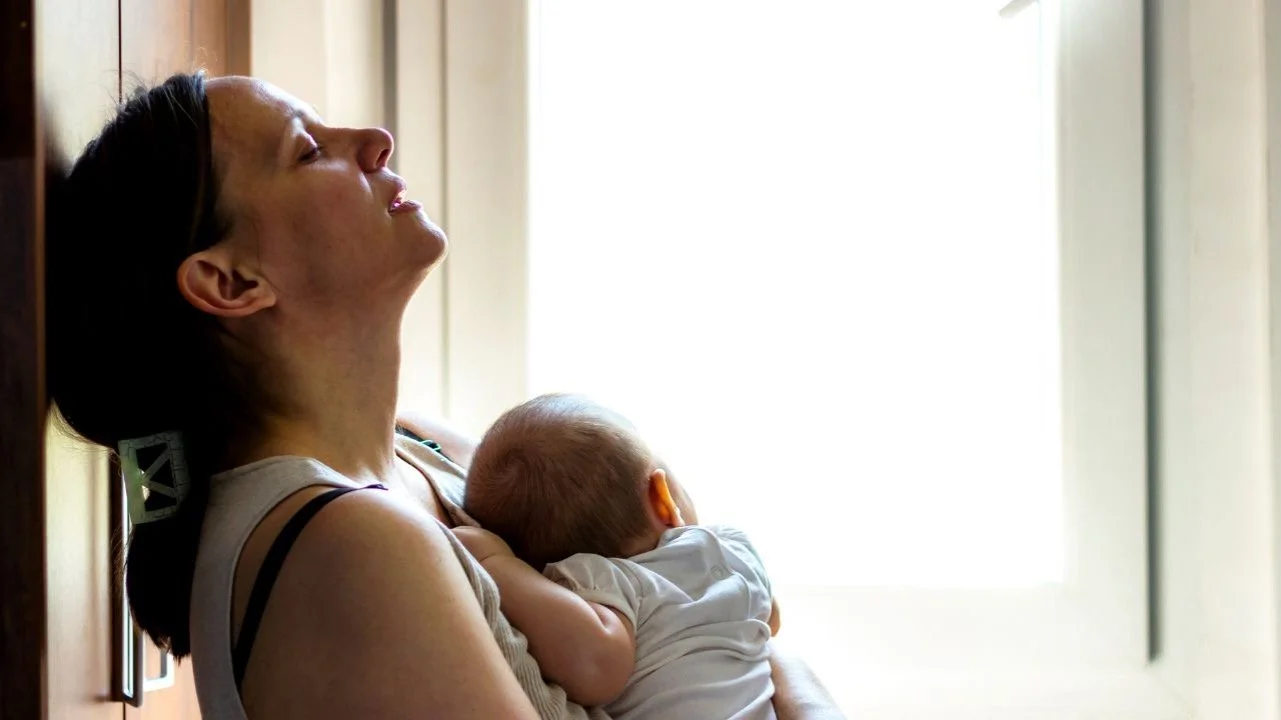
The 4-month regression is usually the turning point for parents who say:
“I cannot do this anymore.”
If you feel:
mentally fried
resentful
physically exhausted
anxious about nighttime
stuck in a cycle you can’t break
…this is the perfect age to get support.
What Virtual Sleep Support Can Do for You:
Create a custom sleep plan based on your baby’s temperament
Build a nap schedule that actually works
Guide you through gentle sleep training (no guessing)
Support you daily so you don’t spiral at 2 a.m.
Help you reduce night wakes (without trauma)
Improve naps
Improve YOUR sleep
Bring peace back to your home
Most families see dramatic improvement in 4–7 days.
This stage is fixable, but you don’t have to figure it out alone.
Need Sleep Help You Can Actually Trust?
Work With Bring Home Bliss Virtual Sleep Support
If the regression has taken over your life, I can help.
I offer:
✔ 1:1 virtual sleep coaching
✔ nap & bedtime schedule creation
✔ gentle sleep teaching methods
✔ step-by-step support
✔ messaging access for real-time guidance
✔ customized plans for your baby’s age + personality
Click here to learn more + book support:
→ START YOUR SLEEP TRANSFORMATION
Your baby can sleep.
YOU can sleep.
And you deserve support from someone who knows exactly how to get you through this stage.
Final Thoughts
The 4-month sleep regression is one of the hardest phases of early parenthood. And not because you’re doing anything wrong, but because your baby’s brain is evolving faster than their sleep skills can keep up.
But with the right schedule, environment, routines, and gentle techniques, you absolutely can get through it and come out the other side with a baby who sleeps better than ever before.
You need a plan.
You need support.
You need rest.
And BringHomeBliss is here to help you get all three.